
Most people receive hospice care far too late
Many people only enter hospice in the final days or weeks of life. When this happens, patients and families miss out on the full support hospice can provide. Instead, they often experience repeated hospital visits, stressful medical care, and difficult decisions during an already overwhelming time.
Care should work together, not in silos
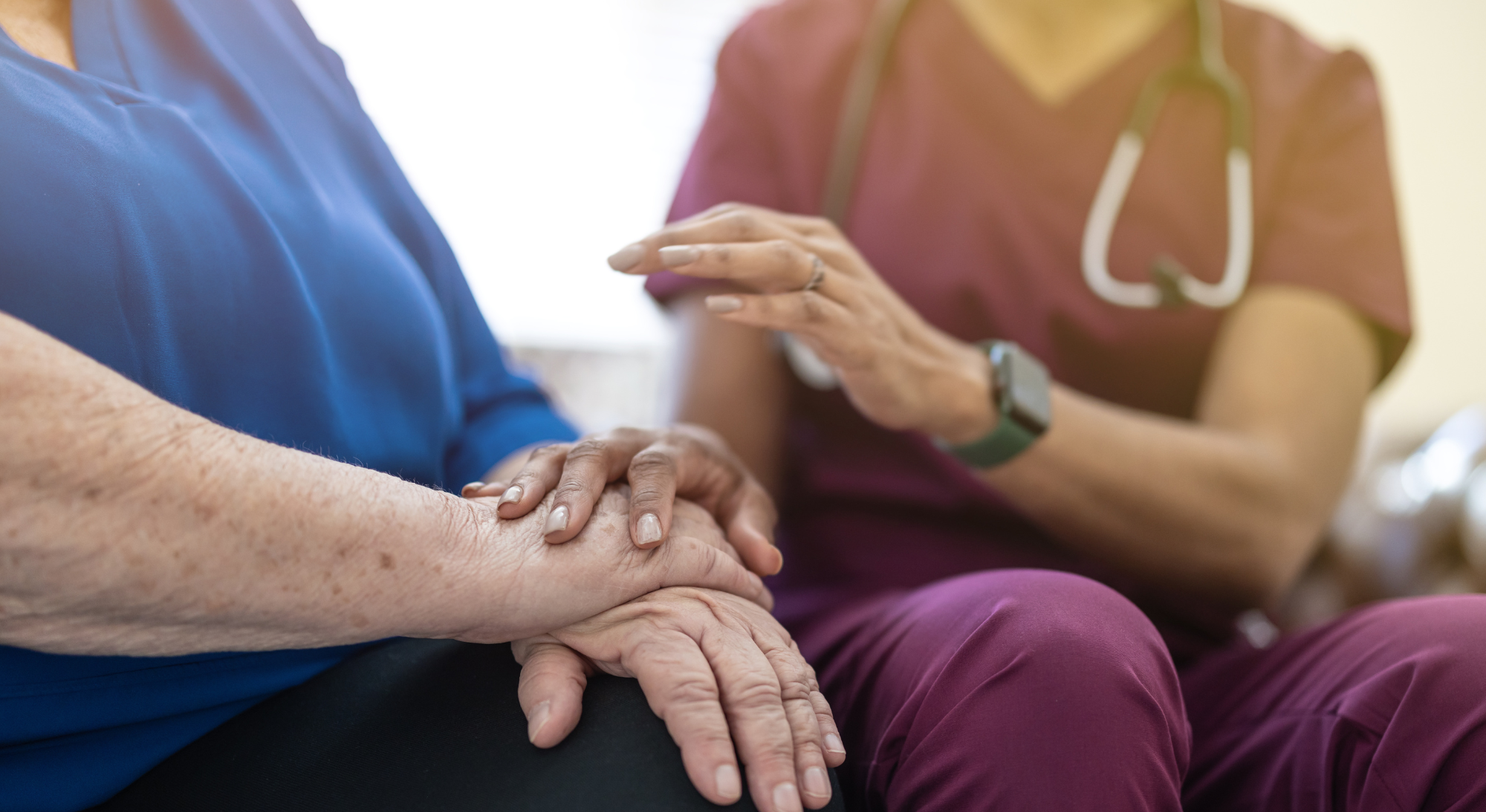
The best care for serious illness happens when services work together over time. Primary care, home health, palliative care, and hospice should feel like one connected experience for patients and families.
When care is connected, patients build trusted relationships with care teams earlier, families feel more prepared and supported, unnecessary hospital visits decrease, people can remain at home and in their communities longer, and
hospice can provide its full benefits for a longer period of time.
This kind of coordinated care leads to better experiences for patients and more thoughtful use of healthcare resources. This isn’t because hospice doesn’t work. It’s because patients are rarely connected to supportive care early enough in serious illness.
People deserve support long before the final stage of life.

Earlier support changes everything
Serious illness often unfolds over months or years. During that time, patients and families face complex medical, emotional, and practical challenges.
When supportive care begins earlier, patients experience better quality of life, symptoms and stress are managed sooner, families receive guidance and support before crises occur, care decisions reflect what matters most to the patient, and transitions between care settings become smoother and less overwhelming.
Earlier support helps people feel cared for, informed, and prepared throughout their journey.
Benefits
-
Provides seamless support across the care continuum – from primary care to palliative and eventually hospice – ensuring patients receive consistent, coordinated services from a familiar team as their illness progresses.
-
Aligns care with patients’ and families’ preferences, allowing treatment in the setting of their choice (home, community, hospice) and respecting end-of-life wishes.
-
Addresses the complex physical, emotional, and social needs of seriously ill patients with chronic, life-limiting conditions, offering relief from pain and distress.
-
A decentralized, community-based model delivers services locally, reducing costs and improving equitable access to specialized support.
-
Strengthens collaboration among general practitioners, family physicians, and specialist palliative teams to optimize care delivery and reduce hospitalizations.
-
Enhanced collaboration between various care providers, in addition to providing more time for the patient, family and clinicians to form strong relationships, will increase the likelihood of a Medicare beneficiary entering the hospice benefit in a timely manner.
This is why Elea Institute exists
Elea Institute funds research, innovation, and community programs that help make earlier, more connected care possible.
Our mission is to expand access to high-quality hospice and palliative care. We believe that improving end-of-life care starts long before hospice begins.
Elea Institute is not only focused on hospice itself. We invest in the full journey of serious illness care so more people can receive the right support earlier and benefit fully from hospice when the time comes.
We believe the future of care starts earlier, happens closer to home, and keeps patients and families at the center of every decision.
Elea Institute is committed to helping make this future possible.